The Cultural Tapestry of Travel: Dressing for Connection and Comfort
Travel is more than just a movement through geographic space; it is an immersion into the stories, traditions, and souls of the places we visit. For the modern traveler, the journey begins long before the plane touches the tarmac or the train pulls out of the station. It begins with the intention of connection. One of the most profound ways we connect with the global community is through the textiles we wear and the comfort we carry with us. From the vibrant patterns of an African shirt to the historical weight of black history shirts, our attire serves as a bridge between our personal identity and the heritage of the world.
The Language of the African Shirt
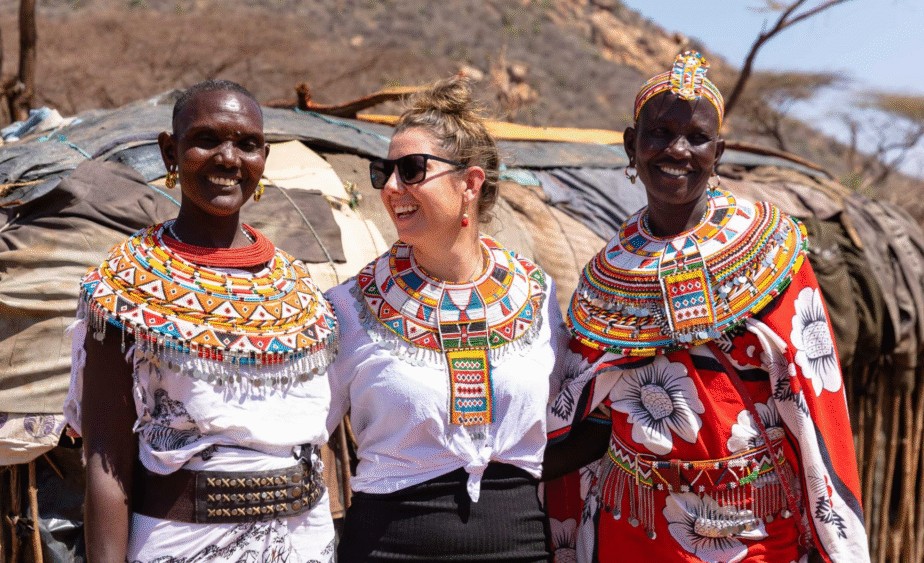
When traversing the bustling markets of Accra or the scenic coastal roads of Cape Town, one cannot help but be mesmerized by the explosion of color found in local attire. The African shirt, often crafted from Kente, Dashiki, or Ankara fabrics, is not merely a garment; it is a canvas of communication. Each geometric pattern and color choice often carries a specific meaning—blue for peace, gold for fertility, or green for spiritual renewal.
For the traveler, wearing an African shirt is an act of appreciation for craftsmanship that has survived centuries. These shirts offer a practical benefit as well; usually made from high-quality cotton, they are breathable and perfectly suited for the equatorial heat. When you walk through a foreign city in a beautifully tailored African print, you aren’t just wearing clothes; you are participating in a visual dialogue. It signals to the locals that you value their aesthetic and their history, often sparking conversations that lead to the kind of “off-the-beaten-path” experiences every traveler craves.
Crowning the Journey: The African Hat
To complete the ensemble, many travelers find themselves drawn to the African hat. Whether it is a traditional Kufi, a beaded Zulu hat, or a woven straw fedora from the Sahel, headwear in Africa is a symbol of status, respect, and identity. In many cultures, the head is considered the seat of the spirit, and thus, what covers it is of great importance.
As a traveler, an African hat serves a dual purpose. Practically, it shields you from the intense sun of the savanna or the Saharan dunes. Culturally, it shows a level of immersion. There is a specific dignity that comes with wearing a well-crafted Kufi. It changes your posture, encourages you to hold your head high, and serves as a reminder that travel is a privilege that should be approached with grace and respect.
The Rhythms of the Caribbean: Jamaican Clothing
As the journey shifts from the African continent across the Atlantic to the Caribbean, the aesthetic evolves but the spirit remains just as vibrant. Jamaican clothing is a reflection of the island’s “Out of Many, One People” motto. It is a blend of African roots, British colonial influences, and the laid-back, sun-drenched lifestyle of the West Indies.
When packing for a tropical getaway, incorporating Jamaican clothing—such as linen trousers, mesh vests, or dresses featuring the iconic green, gold, and black—allows the traveler to sync with the island’s rhythm. Jamaican fashion is deeply tied to the Rastafarian movement and the reggae culture, emphasizing natural fibers and a “livity” or a way of life that is at peace with nature. Wearing these styles while wandering through the Blue Mountains or lounging on the sands of Negril helps the traveler shed the rigid skin of their professional life and embrace the “soon come” philosophy of the islands.
Walking with Heritage: Black History Shirts

Travel is often a search for truth, and for many, that involves visiting sites of historical significance. Whether you are visiting the Door of No Return in Senegal, the Whitney Plantation in Louisiana, or the District Six Museum in Cape Town, what you wear can be a tribute to those who came before.
Black history shirts have become a staple for the conscious traveler. These garments, often emblazoned with the faces of icons like Malcolm X, Harriet Tubman, or Thomas Sankara, or featuring powerful quotes about liberation and excellence, serve as a moving memorial. Wearing black history shirts while traveling is a statement of solidarity and education. It transforms the traveler into a walking archive, prompting questions from fellow tourists and locals alike. It asserts that while we are here to see the sights, we are also here to remember the struggles and celebrate the triumphs that shaped the modern world. In a world that often tries to sanitize history, these shirts keep the narrative alive.
The Ultimate Travel Companion: The Sherpa Blanket
While much of travel is about the external—the sights, the clothes, the people—there is an essential internal component: comfort. Long-haul flights, chilly mountain nights, and unpredictable hotel thermostats can take a toll on the body. This is where the sherpa blanket becomes the most underrated item in a traveler’s suitcase.
Named after the Sherpa people of the Himalayas—renowned for their endurance and ability to thrive in cold, high-altitude environments—the sherpa blanket mimics the warmth and softness of wool. It is the ultimate comfort object. After a long day of exploring the winding streets of a new city in your African shirt and African hat, there is nothing quite like retreating to your accommodation and wrapping yourself in a sherpa blanket.
For the digital nomad or the frequent flyer, the blanket acts as a “portable home.” It provides a sense of security and warmth in an unfamiliar environment. Whether you’re camping under the stars in the Wadi Rum desert or trying to get some sleep on a red-eye flight to London, the plush texture of the sherpa provides a sensory reset, allowing you to recharge for the next day’s adventures.
The Synthesis of Style and Soul
The modern traveler is a collector—not just of souvenirs, but of experiences and identities. By choosing to wear an African shirt or Jamaican clothing, we are choosing to celebrate the diversity of human creativity. By donning black history shirts, we acknowledge the deep roots and the heavy price of the freedoms we enjoy today. By packing an African hat and a sherpa blanket, we balance the need for cultural expression with the need for physical protection and comfort.
Travel is a tapestry. It is woven from the threads of different cultures, histories, and personal moments of peace. When we dress with intention, we move through the world not as strangers, but as participants in a global story. We learn that while our clothes may differ—from the intricate weaves of the continent to the soft synthetic warmth of a travel blanket—our desire to explore, to understand, and to be comfortable in our own skin is a universal human experience.
So, the next time you prepare for a journey, look at your wardrobe. Think about the stories your clothes tell. Choose pieces that honor the destination, respect the history, and provide the comfort you need to keep exploring. The world is waiting, and you are ready to meet it, dressed in the colors of the world and the warmth of home.