Best Places to Visit in Bali: My Personal Travel Guide
I still remember the first time I landed in Bali. The moment I stepped off the plane, the air smelled of incense and frangipani flowers. It was humid, a little sticky, but in the best possible way—it felt like stepping into a postcard. I thought I had done my research, but oh boy, Bali is one of those places that just doesn’t fit neatly into a travel guide. You’ve got the famous temples and beaches, sure, but then there are tiny warungs tucked down back alleys, rice fields glowing in the sunset, and waterfalls you’d miss if you didn’t listen to a local.
Over the years, I’ve been lucky enough to go back multiple times, and each trip taught me something new. Some spots I regret skipping early on, while others I stumbled into by pure accident. If you’re planning your first (or fifth) trip to Bali, let me walk you through the best places to visit in Bali, not just from a tourist’s perspective, but from someone who’s been lost on a scooter more times than I care to admit.
Ubud – The Beating Heart of Bali
If Bali had a soul, I swear it would live in Ubud. The first time I visited, I thought it was just about yoga studios and smoothie bowls (and yeah, those are everywhere). But Ubud is so much more layered.
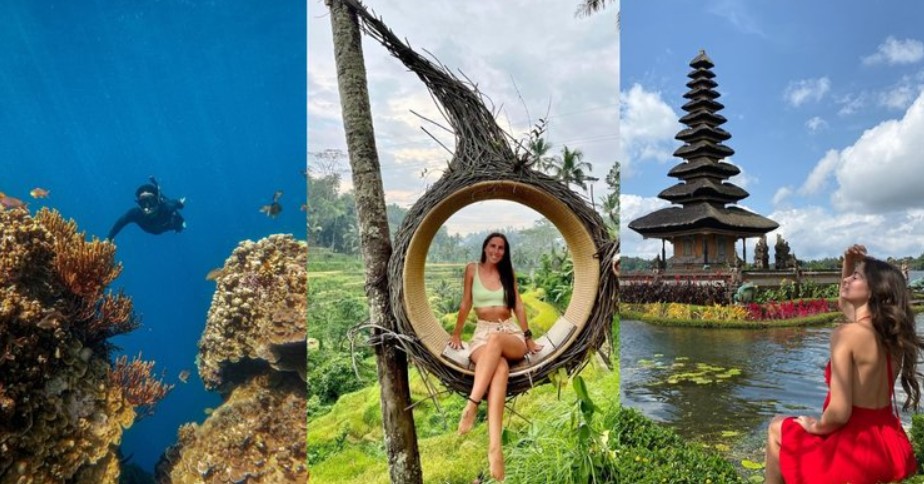
One morning I woke up at 5 a.m. to walk through the Tegallalang Rice Terraces before the crowds came in. The mist was still hanging low, and I could hear the sound of ducks waddling through the fields. Honestly, I got lost on the little paths between the terraces, but it was worth every wrong turn. If you go, bring good shoes—mud in Bali sticks like glue.
Don’t skip the Sacred Monkey Forest Sanctuary, but here’s my advice: keep your sunglasses and snacks hidden. Those cheeky monkeys are professional thieves. One literally tried to run off with my flip-flop, and I had to bribe him with a banana. Lesson learned.
Quick tip: For something more peaceful, wander into the lesser-known rice terraces around Jatiluwih (a UNESCO site). They’re quieter, bigger, and you’ll actually hear the wind rustling instead of Instagrammers shouting.
Seminyak – Where Chill Meets Style
Now, Seminyak is the kind of place that makes you feel cooler than you really are. I once stayed in a villa there, complete with a little plunge pool, and thought, “Well, I could get used to this.” Seminyak’s vibe is all about laid-back luxury.
You’ll find Potato Head Beach Club and Ku De Ta for sunset cocktails—yes, they’re touristy, but there’s something magical about sipping a drink while the sky turns cotton-candy pink. If you want a quieter beach, head just north to Batu Belig or Petitenget Beach. Less crowd, same dreamy sunset.
Shopping in Seminyak is another adventure. I once tried to “just window shop” and walked out with two sarongs, a rattan bag, and sandals I absolutely didn’t need. The boutique stores here are dangerously tempting.
Canggu – The Hipster Playground
The first time I went to Canggu, I didn’t get the hype. Then I rented a scooter, found myself at a beach café with bean bags on the sand, and it clicked. Canggu is Bali’s surf-and-smoothie capital.
Echo Beach is a favorite for surfers, though I’ll be honest—I’ve never surfed in my life. I just sat on the black sand with a coconut in hand, pretending I understood the surf lingo. What I love most here are the cafés. Crate Café has this buzzing energy, while The Shady Shack makes vegetarian food feel like a treat.
Here’s my small regret: I once skipped Tanah Lot Temple, thinking it was too touristy. Big mistake. Seeing the temple perched on that sea rock during sunset is one of those “yep, I’m really in Bali” moments.
Uluwatu – Cliffs, Temples, and Surfer Vibes
Driving down to Uluwatu feels like you’re leaving the busy world behind. I stayed at a little guesthouse where roosters woke me up at dawn (not exactly my alarm of choice, but hey, authentic).
The main attraction here is Uluwatu Temple, perched high on a cliff. Watching the Kecak Fire Dance at sunset while the ocean crashes below? Pure goosebumps. Just keep your belongings tight; the monkeys here have the same sticky fingers as Ubud’s crew.
If you’re into beaches, Padang Padang is a stunner, though small. For more space, check out Bingin Beach—it’s a climb down, but the view from the bottom makes you forget your legs are jelly.
Nusa Penida – Rugged and Wild
Here’s a confession: Nusa Penida almost broke me. I rented a scooter there, and let me tell you, the roads are no joke. Potholes the size of swimming pools and sharp turns that made me question all my life choices. But then I saw Kelingking Beach from above, and suddenly it all made sense. That T-Rex shaped cliff is jaw-dropping.
I didn’t dare hike down to the beach (the path is more like a goat trail), but even from the top, it’s one of the best views I’ve ever had. Crystal Bay, with its calmer waters, is better for swimming. If you’re into snorkeling, head to Manta Point—I nearly cried when a giant manta ray glided past me.
Mount Batur – Sunrise Worth Losing Sleep For
One of my most unforgettable mornings in Bali was the Mount Batur sunrise trek. My alarm went off at 2:30 a.m., and I questioned all my life choices. But trudging up the volcano with a flashlight, then sitting at the summit watching the sun paint the sky? Absolutely worth it.
The guides even cooked eggs for us using the volcano’s steam—how cool is that? Just bring a jacket. Bali might be tropical, but at that altitude, it gets chilly.
Lovina – Dolphins and Calm Vibes
Up in North Bali, Lovina is often overlooked. It’s quieter, more old-school, and honestly, that’s what makes it special. I went for the dolphin tour at sunrise, and even though there were a few other boats, watching dolphins leap out of the water against a golden sky was unforgettable.
The beaches here are black sand, not the classic Bali white, but that just makes them unique. Plus, the snorkeling spots are fantastic.
Munduk – Waterfalls and Jungle Escapes
I’ll be real with you—Munduk surprised me the most. It doesn’t get half the attention of Ubud or Canggu, but it’s a dream if you love nature. I hiked to Munduk Waterfall, and it felt like stepping into a jungle fairytale. The sound of water pounding on rocks, the mist cooling my face—it was one of those moments where you stop, breathe, and think, “Yep, this is why I travel.”
Another hidden gem here is the twin lakes, Buyan and Tamblingan. If you’re into photography, this area is pure gold.
Tirta Empul – A Spiritual Cleansing
Okay, I’ll admit, I was nervous about visiting Tirta Empul Temple, the holy spring water temple. Tourists can take part in the purification ritual, but I wasn’t sure if I’d be intruding. A local explained the process, and I decided to give it a try. Standing in that cool spring water, moving from fountain to fountain, I felt something shift inside. Even if you’re not religious, it’s a powerful experience.
Bali Hidden Gems – Off the Beaten Path
Now, if you want to escape the crowds, there are some gems that most tourists miss:
- Sidemen Valley – a quiet village with rice fields and views of Mount Agung.
- Amed – perfect for diving and snorkeling, especially the USAT Liberty shipwreck nearby.
- Nungnung Waterfall – requires a sweaty hike, but it’s massive and less crowded.
These are the spots where I felt like I had Bali all to myself.
Final Thoughts – Why Bali Stays With You
Here’s the thing about Bali: it’s not just one place. It’s a thousand little experiences stitched together. Getting lost on a scooter and finding a tiny warung with the best nasi goreng of your life. Sitting on a beach, watching the sky burn orange, while locals fly kites in the wind. Or that feeling of cool temple stone under your feet while incense smoke curls into the air.
If you only stick to the “famous Bali attractions,” you’ll have a great trip. But if you leave space for surprises—talk to locals, take the wrong road, say yes to that early sunrise trek—you’ll come home with stories that feel like yours alone.
So whether you’re here for temples, beaches, waterfalls, or just the vibe, Bali has a way of getting under your skin. And trust me, once you go, you’ll already be planning your return before you’ve even left.
FAQs About Visiting Bali
- What is the best time of year to visit Bali?
The best time to visit Bali is during the dry season, from April to October. This is when the weather is sunny, beaches are at their best, and outdoor activities like hiking Mount Batur or exploring waterfalls are more enjoyable. The wet season (November to March) can bring heavy rains, but it’s also a quieter time with fewer tourists and lower prices.
- How many days do you need in Bali?
If you want to cover the highlights, 7 to 10 days is ideal. This gives you enough time to explore Ubud’s temples and rice terraces, relax on the beaches in Seminyak or Uluwatu, and maybe even take a day trip to Nusa Penida. If you’re into slower travel or want to explore hidden gems like Sidemen or Munduk, plan for two weeks or more.
- What are the must-visit places in Bali for first-timers?
For first-time visitors, the must-see attractions include:
- Ubud for culture, temples, and rice terraces.
- Seminyak or Canggu for beaches, cafés, and nightlife.
- Uluwatu Temple for its cliffside views and Kecak dance.
- Nusa Penida for dramatic landscapes like Kelingking Beach.
- Mount Batur if you’re up for a sunrise trek.
- Is Bali expensive to visit?
Bali can be as affordable or as luxurious as you want it to be. Local food at small warungs costs around $2–$3 per meal, while high-end restaurants in Seminyak can set you back $20 or more. Guesthouses and homestays start at $15 a night, while luxury villas can cost hundreds. Renting a scooter is cheap (around $5–$7 per day), but private drivers for day tours usually cost around $40–$50.
- What should I avoid doing in Bali?
A few things to keep in mind:
- Don’t disrespect temple etiquette (always wear a sarong).
- Don’t touch or feed monkeys with your bare hands—they can get aggressive.
- Don’t drink tap water—stick to bottled or filtered.
- Avoid reckless scooter driving; Bali traffic can be chaotic.
- Don’t litter—Balinese people deeply respect their environment and rituals.
- Which part of Bali has the best beaches?
If you’re chasing beaches, head south. Uluwatu is home to some of the most stunning cliff-backed beaches like Padang Padang and Bingin. Nusa Dua offers calm, family-friendly sands, while Seminyak and Canggu are great for surf and sunsets. For something wilder, Amed and Lovina up north have black sand beaches with excellent snorkeling.
- Can you get around Bali without a scooter?
Yes, but it’s trickier. Scooters are the most common way to get around, but if you’re not comfortable riding one, you can use Grab or Gojek (ride-hailing apps) in many areas. For day trips, hiring a private driver is the easiest and safest option, especially if you’re traveling with friends or family.
- Is Bali safe for solo travelers?
Absolutely. Bali is considered one of the safest places in Southeast Asia for solo travelers. Locals are friendly, and the tourism infrastructure is strong. Just use common sense—watch your belongings in crowded places, be cautious when riding scooters, and don’t wander alone at night in remote areas.
- What is the most unique hidden gem in Bali?
One of the most underrated gems is Sidemen Valley. Tucked away from the crowds, it’s all about emerald rice fields, views of Mount Agung, and peaceful village life. It’s the kind of place where you can just sit on a balcony, sip coffee, and feel like time has slowed down.
- Do I need a visa to travel to Bali?
For many nationalities, Bali (Indonesia) offers a Visa on Arrival (VoA) valid for 30 days, which can be extended once for another 30 days. Always check the latest regulations before your trip, as rules can change depending on your passport and entry point.